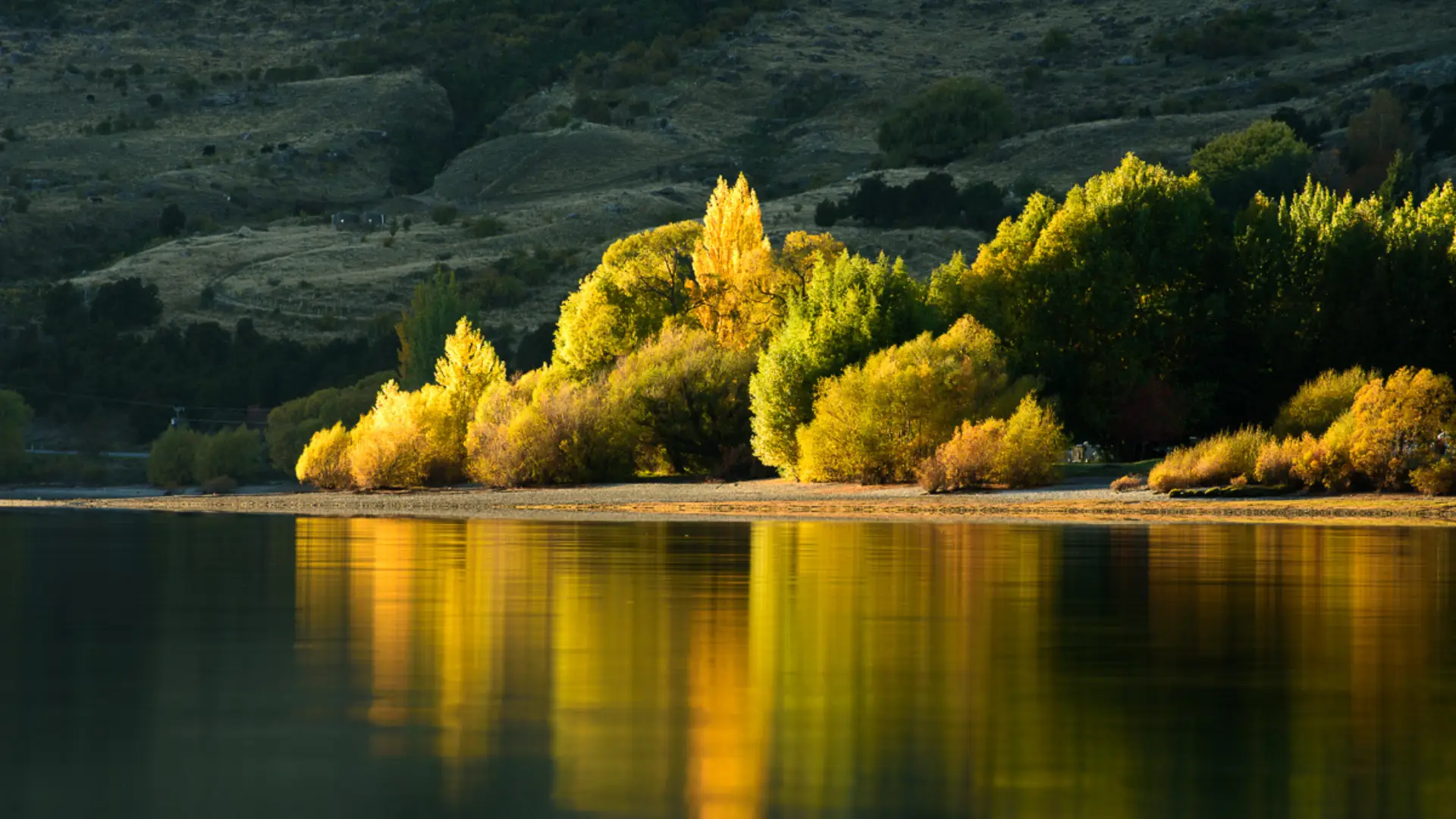
A great photograph can do more than preserve a moment. It can change the way we see the world. It can connect strangers and inspire action; it can champion a threatened species, capture a fleeting seasonal shift, and preserve a moment even after it becomes a memory. In the hands of a thoughtful photographer, a camera becomes a tool for connection, education, and even protection.
That’s the philosophy behind New Zealand Photography Workshops (NZPW), one of our Love Wānaka Impact Partners. Based in Wānaka and with workshops right across Aotearoa, NZPW is committed to helping locals and visitors to our region capture our native landscapes and wildlife at their best. But more than that, their workshops also teach the importance of environmental responsibility, of ensuring that the landscapes and wildlife being photographed are protected, cared for, and preserved for years to come.
Founded by professional photographer Richard Young in 2013, New Zealand Photography Workshops was born from a love of the outdoors and a desire to share New Zealand’s landscapes through both photography and advocacy. Offering world-class photography workshops and tours throughout New Zealand and abroad, NZPW combines expert guidance with immersive experiences that connect people to place. Qualmark Gold-Award certified, NZPW is also approved to guide in New Zealand’s National Parks, home to some of our country’s most spectacular landscapes and wildlife.
“As photographers, keeping our natural landscape beautiful is so important to us,” says Richard. “We want the places we photograph to look even better ten years from now, and that means doing our part to protect and preserve them.”
NZPW’s workshops range from 1-day photography courses to twenty-day expeditions exploring wild coastlines, alpine peaks, native bush, and every postcard view in between. Led by professional photographers with local knowledge and a genuine appreciation for the places they explore, the workshops prioritise small group sizes, tight-knit teaching, and meaningful conversations.
“Our workshops offer the very unique opportunity to not only share New Zealand at its very best, but also to show people who photograph these places just how special our landscapes and wildlife are, and why we need to protect them.”
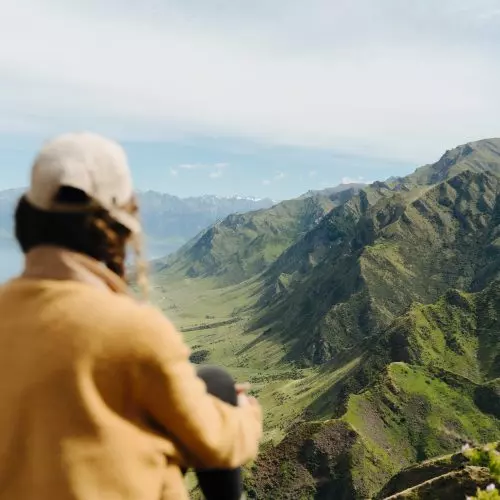
Throughout these workshops, participants learn a wide range of photography techniques, including composition, lighting, storytelling and framing, all the while experiencing Aotearoa at its most authentic. They see the places we work to protect, hear the stories of the land, and learn to tread lightly as they explore and document the beauty of our natural world. NZPW encourages people to really think about the landscapes beyond the lens – not just how they look in the moment, but also what stories they hold, what pressures they face, and how visitors can help protect them as active guardians of the land.
When we asked Richard what his tips for landscape photographers would be, Richard pointed us back to a few of his Nature First’s Principles:
1. Use discretion if sharing locations.
As soon as a place grabs public attention, it becomes a magnet for photographers and visitors alike – and many natural places cannot survive a significant increase in foot traffic. Keeping these areas off the radar is the best way to protect them. If you do decide to share the location, only share well-known places or areas unlikely to be damaged by increased traffic.
2. Educate yourself about the places you photograph.
Different landscapes require different kinds of stewardship, so it’s important to know the environments you photograph. For example, though walking in some places (like those covered in snow) will cause no harm, walking in other areas could significantly damage an ecosystem (ie, cryptobiotic soils in deserts or slow-growing mosses in less arid places).
3. Always follow Leave No Trace Principles and strive to leave places better than you found them.
Leave No Trace is a widely recognised set of principles for outdoor stewardship that all nature photographers should adhere to. By following their 7 Principles, you can strive to leave each place better than you found it – and often, it’s the little things like picking up litter or reporting vandalism.
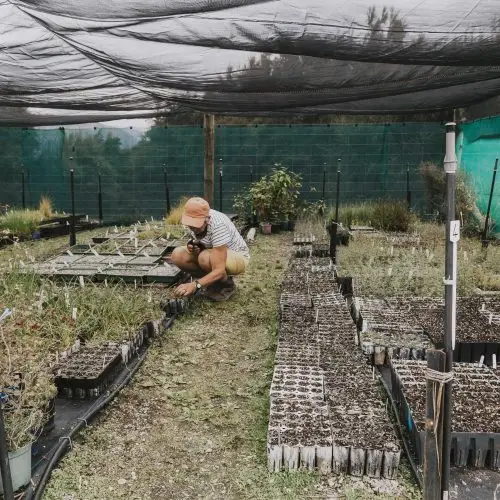
For NZPW, environmental care is woven throughout their entire practice. As well as educating participants, every trip is designed to minimise impact by choosing responsible accommodation and transport operators, and by connecting with providers who share their values and commitment to sustainable tourism. The team follows the Nature First principles and is committed to the Tiaki Promise as guardians who protect and preserve our home. Completely carbon neutral, NZPW actively reduces its carbon footprint wherever possible and offsets any necessary emissions by planting native trees.
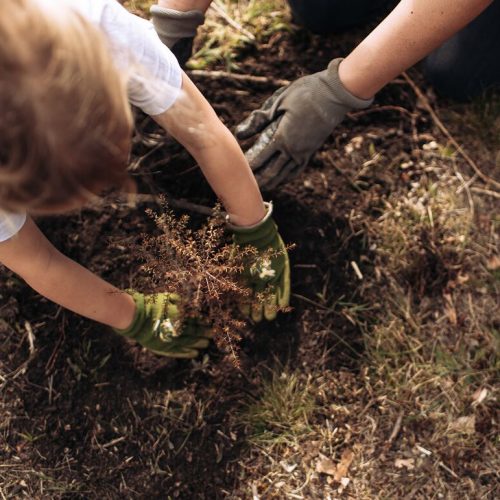
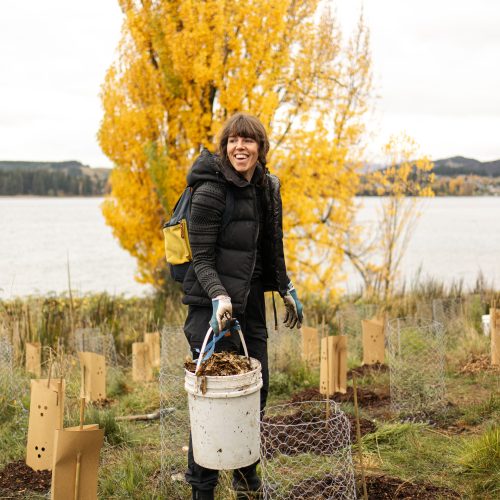
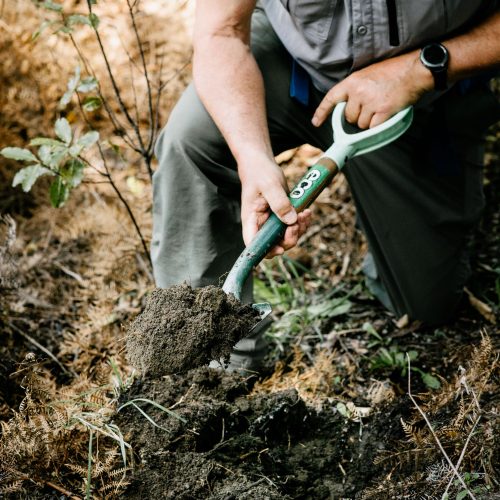
The NZPW team is also actively involved in conservation and sustainability efforts in their own time. From track care to native species preservation, NZPW attracts a team of like-minded professionals who truly care about the land they photograph.
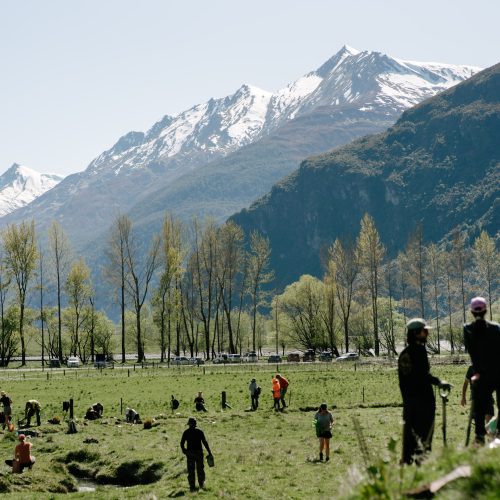
New Zealand Photography Workshop is a proud Love Wānaka Impact Partner, contributing directly to local environmental projects that help restore and protect our region’s natural environment.
“As a company built on highlighting New Zealand’s natural beauty, we’re 100% committed to ensuring we protect our natural environment and operate sustainably as we travel through it,” says Richard. “Giving back to the land and wildlife through Love Wānaka is just one of the ways we do that.”
Love Wānaka’s Impact Partner model allows both business and environment to thrive. For NZPW, visitors leave with a transformative experience and a deeper sense of responsibility, while our environment receives the care and protection it needs through those contributions. It’s a cycle: business success feeding directly back into the places that make that success possible.
If you’re travelling through Wānaka or wider Aotearoa, a photography workshop or photography tour with NZPW offers the chance to connect with people and place, and to capture images that carry meaning well beyond the frame.
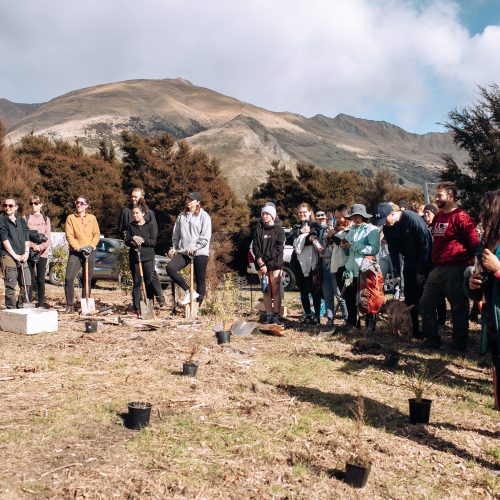
Or, if you’re a local business, becoming a Love Wānaka Impact Partner is a great way to give back to the land while also enriching your business and customer experience. You can also support environmental sustainability in our region by attending a volunteer event or donating to Love Wānaka directly. Every contribution helps ensure our landscapes stay as beautiful in reality as they do in a photograph.