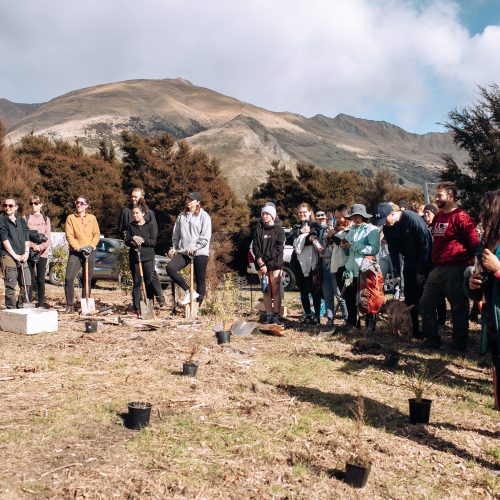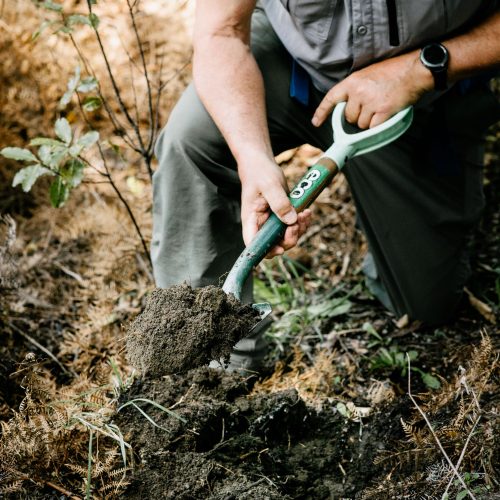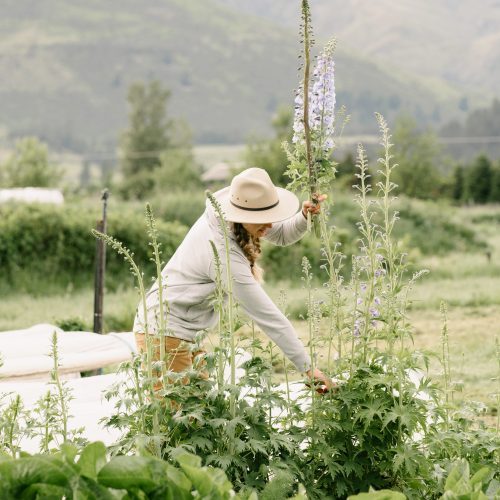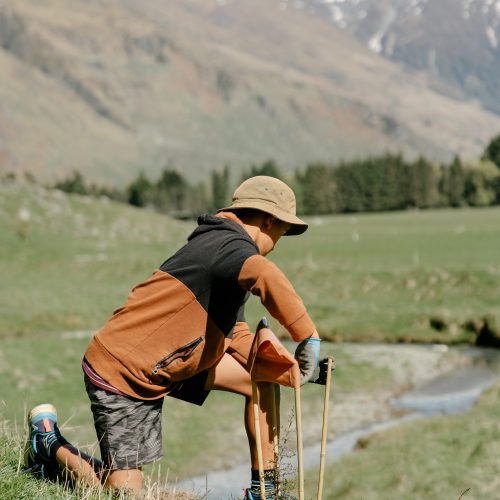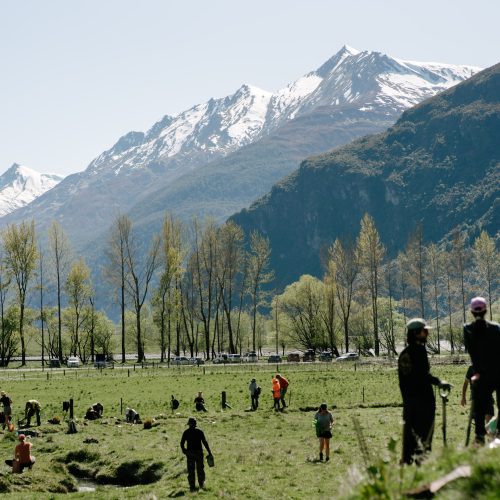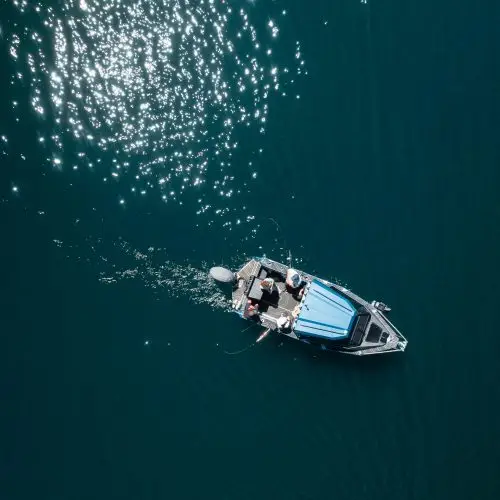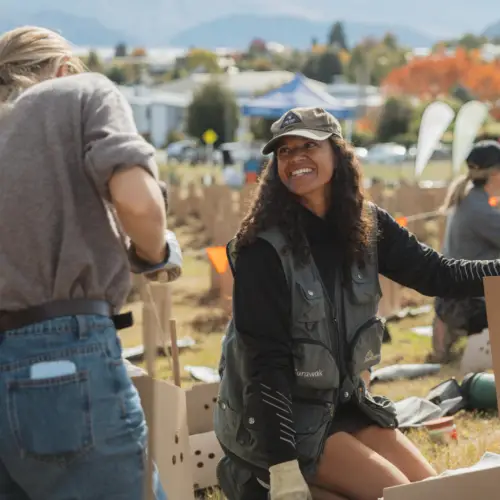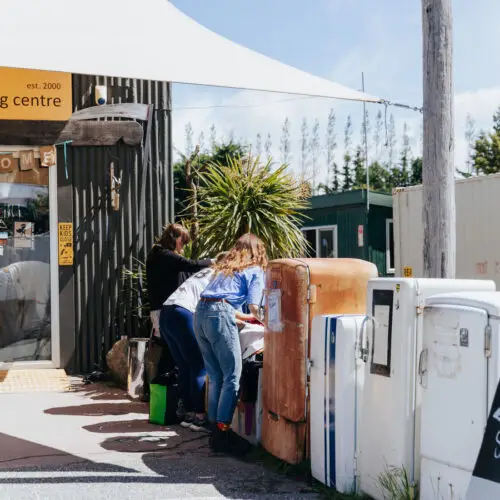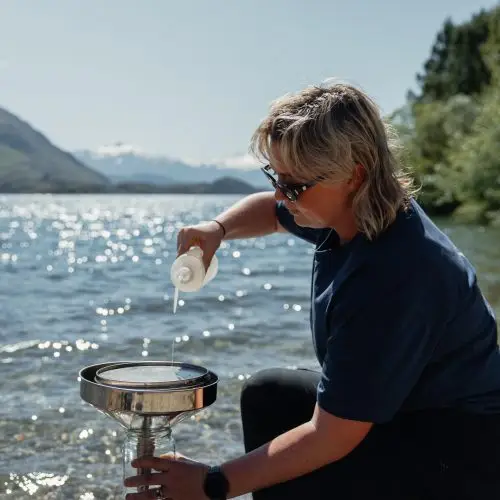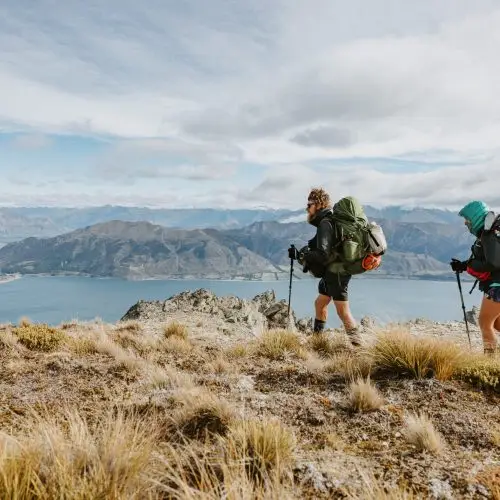
Rising temperatures, struggling ecosystems, the loss of biodiversity – and in Wānaka, it’s all felt that much closer to home. The same natural beauty that draws people here is increasingly under strain from tourism growth, development, and changing climate patterns, and protecting what makes this place special requires more than good intentions. It calls for collective, community-driven action.
Enter, Wao Aotearoa. A Wānaka-based charitable trust, Wao is dedicated to helping communities, businesses, and visitors rethink how we live and operate within our environment. Guided by kaitiakitaka (environmental guardianship) and grounded in systems change, Wao is creating pathways toward regeneration – work that aligns with Love Wānaka’s mission to protect, preserve, and restore this region for generations to come.
Translating to ‘forest’ in te reo Māori, Wao also stands for ‘Working As One’. And as an organisation that actively brings people, businesses, and communities together to tackle environmental challenges, the name fits. Founded by Arna Craig and Monique Kelly in 2018, Wao exists to deliver targeted, systems-focused programmes and events that inspire, educate, and enable communities to transition toward a regenerative, low-emission future. The mission: to bring together people, groups, and organisations with the power to influence beyond themselves and activate them to drive transformative action.
Their approach is deeply grounded in systems thinking. Instead of focusing on isolated problems, Wao helps people see how everything, from food and energy to business and tourism, is connected. Through this lens, they work to create change across entire sectors, starting with our local communities.
In a region as beautiful and as ecologically sensitive as Wānaka, the responsibility of kaitiakitanga (environmental guardianship) rests with all of us. Visitors, locals, and seasonal travellers alike all have a role to play in shaping a regenerative future for our rohe (region), and working together is where real change starts. Wao is a great example of meaningful change coming not from one sector alone, but from wider communities working collectively toward shared goals.
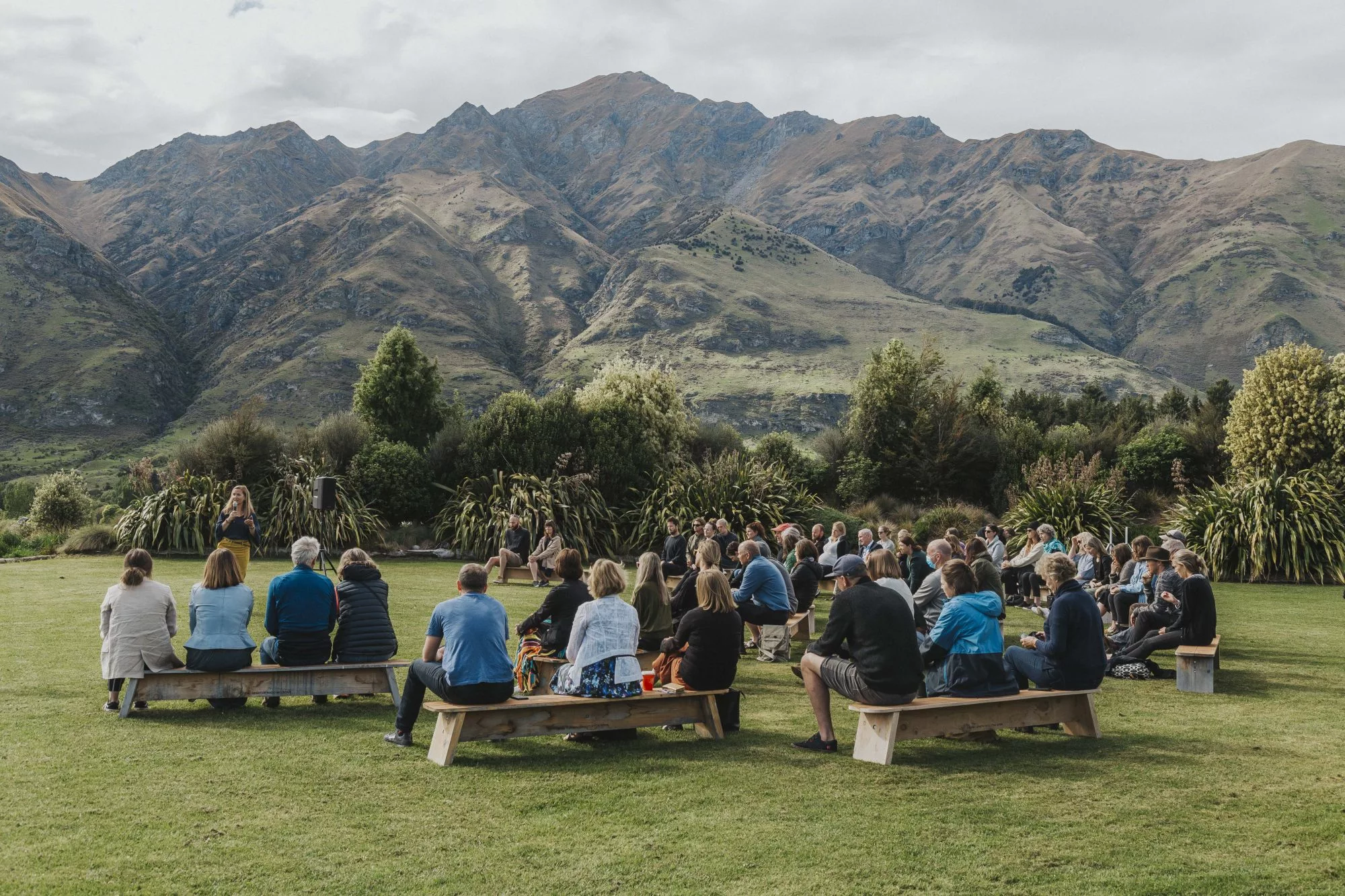
At its heart, Wao is about activating communities and empowering people, businesses, and organisations to take meaningful action for a better future. Wao brings people together across all sectors, including tourism, education, construction, and hospitality, to collaborate on solutions that balance people, planet, and prosperity. Their work helps turn awareness into behaviour change, inspiring locals, visitors and businesses alike to play an active role in protecting the places we love through conversation, connection, and collective action.
By connecting outdoor enthusiasts, local businesses, and changemakers, Wao proves that sustainability isn’t an individual quest; it’s a community movement. Together, Wao is helping ensure Wānaka remains not just a place to explore, but a place that thrives for generations to come.
While the Summit is Wao’s flagship event, the work happens year-round. Through dedicated work streams spanning Better Building, Food Resilience, Better Transport, Better Business, Community Resilience and Events, Wao brings people, organisations and ideas together to turn big challenges into practical local action.
From building a more resilient local food system and accelerating better building practices, to supporting sustainable transport, strengthening communities and helping businesses respond to a changing world, each work stream creates opportunities for learning, collaboration and action. Throughout the year, this comes to life through projects, workshops, events, research, resources and partnerships — creating momentum that continues well beyond the Summit.
The Summit brings the conversation together. The work streams help turn it into action.
This year’s Wao Summit is a great place to learn, connect, and take environmental action, making collective change and growth as a community and as individuals. Attending a summit session, supporting local producers, volunteering at the summit or at volunteering events with local environmental groups like Love Wānaka, or simply adopting more conscious travel practices all help make an impact. Working as one, we can make real change for our rohe (region), our whenua (land), and for generations to come.