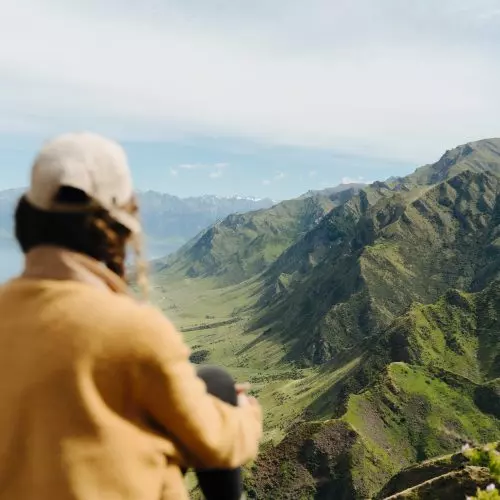
While stunning, the Wānaka landscapes we love haven’t always looked this way. Before human settlement, this rohe (region) was covered in native shrublands, wetlands, and forests, each uniquely adapted to the local climate. From dry woodlands to alpine tussocks, grasslands to expansive native beech forest, Upper Clutha provides a window into what Aotearoa, New Zealand once looked like – and what it could be again.
Planting native species is one of the simplest, most tangible ways to begin rebuilding these ecosystems. And thanks to local organisations like Te Kākano Aotearoa Trust, Wai Wānaka, Friends of Bullock Creek this work is already deeply embedded in the community.
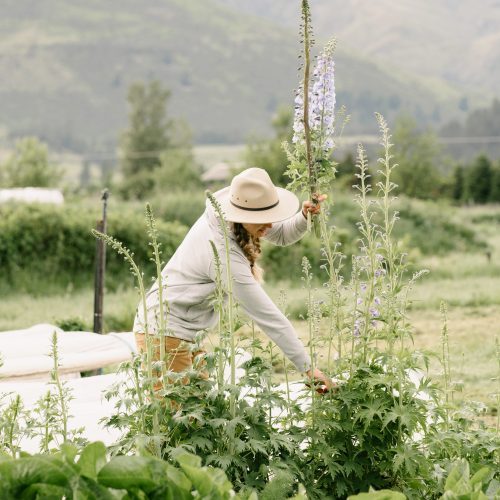
Te Kākano is a Wānaka-based environmental charity and community nursery, growing over 15,000 eco-sourced native plants each year. A crucial part of their approach is eco-sourcing — collecting seeds and cuttings from native plants across the Upper Clutha. These seeds are carefully gathered, propogated, and grown into new plants that are genetically suited to local conditions — from dry summers to frost-heavy winters — giving them the best chance of survival once planted.
In Wānaka, conservation isn’t just about protecting the landscape — it’s about connecting people to it. And the beauty of this work is that there are so many ways to get involved, whether you’re a local, a visitor, or somewhere in between.
You can attend a lunch and learn session at the Te Kākano nursery to learn how to propagate plants from seeds and cuttings, become a regular volunteer, or come along to a community event to learn more about native restoration and how you can play a part. If land is on your side, plant out your property with locally-occurring native species, or remove those pesky wildings and opt for safer varieties that are suited to this climate.
Maybe you’re thinking this all sounds great in theory, but how does native planting – and the restoration that follows – actually happen?
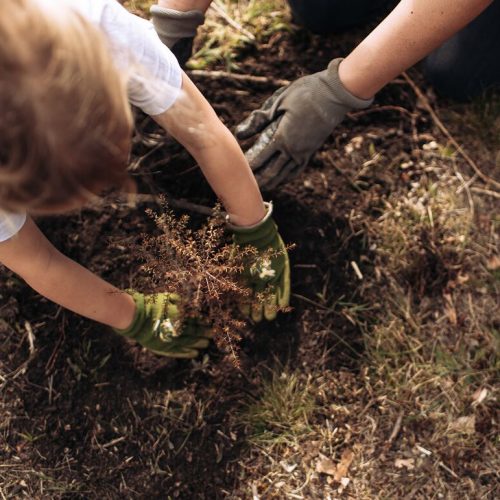
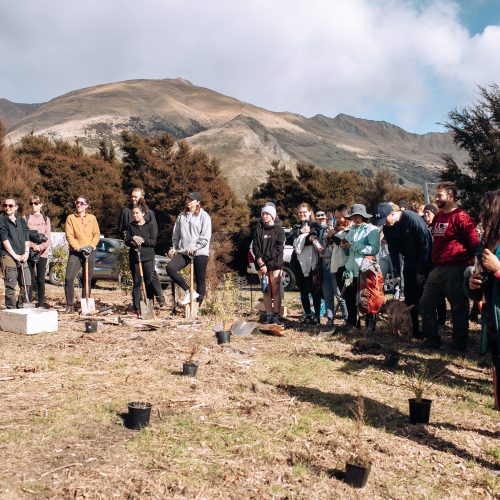
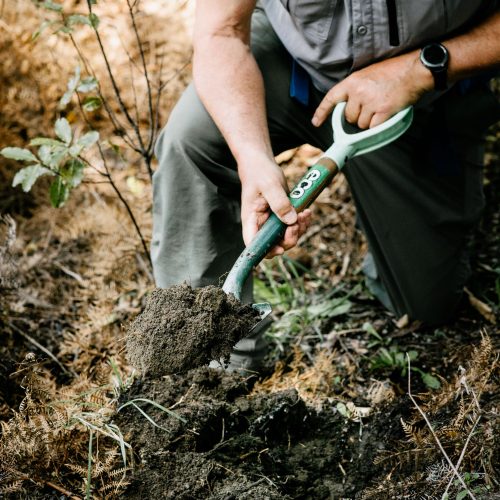
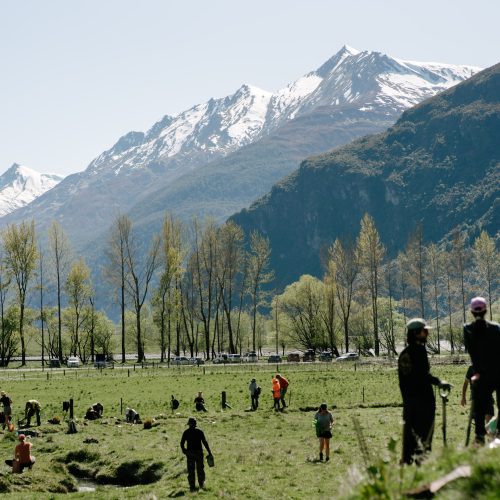
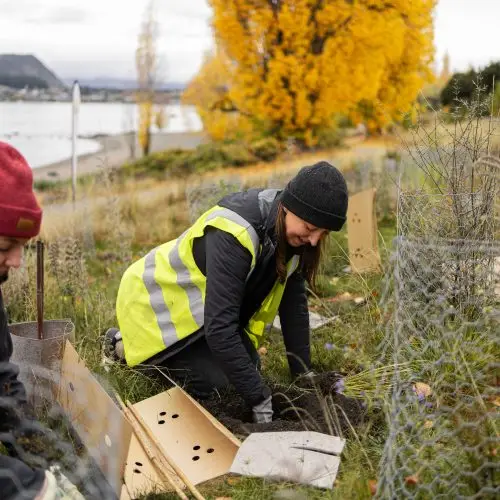
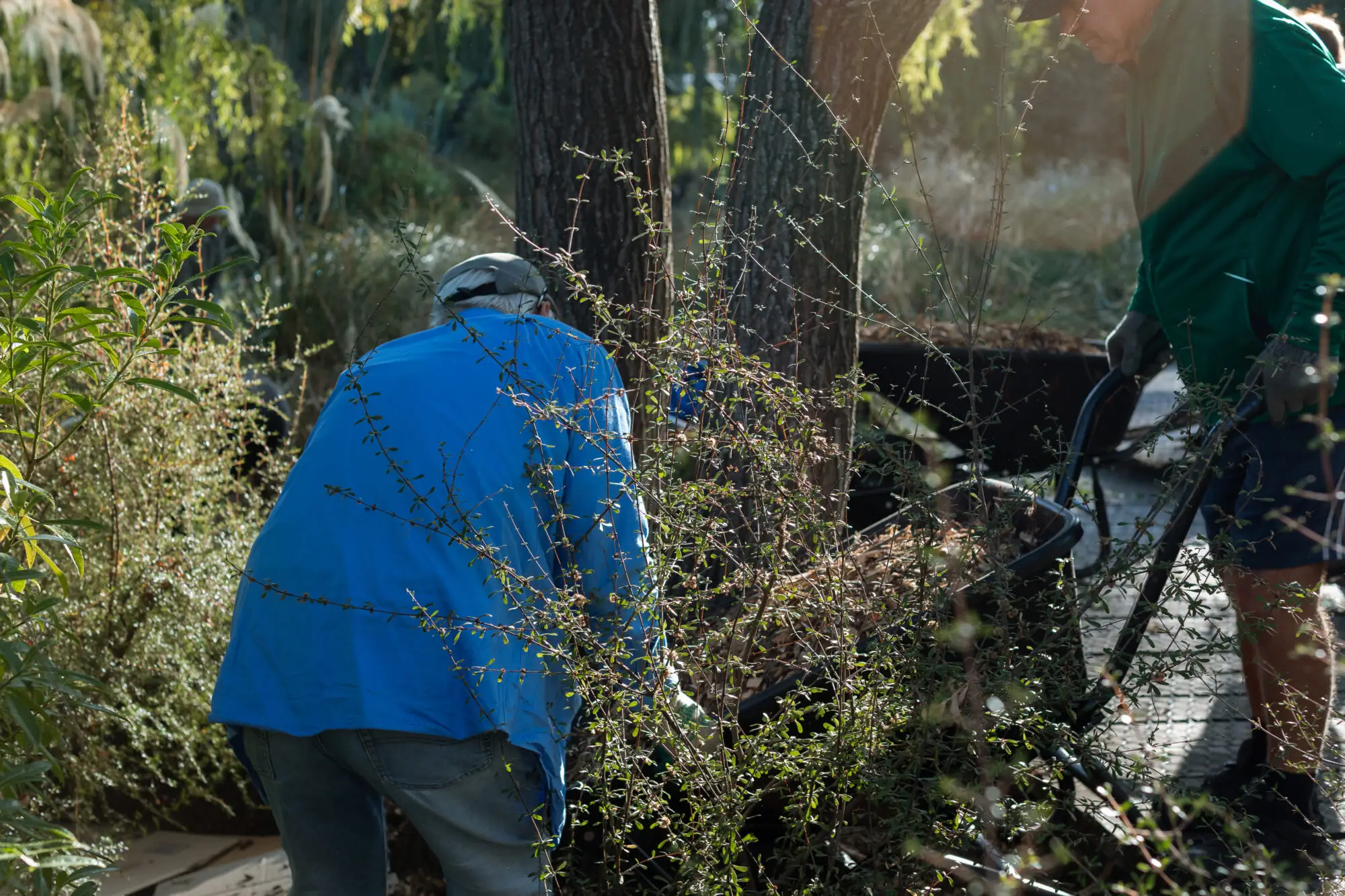
The first step is with seed collection, carefully gathered from local plants growing in the wild. From there, seeds are propagated in nurseries, like Te Kākano’s, where they’re nurtured through their early stages. Once strong enough, they’re planted into carefully prepared sites. Here, that work is often carried out by a volunteer network made up of local groups, schools, and businesses all passionate about protecting this rohe (region).
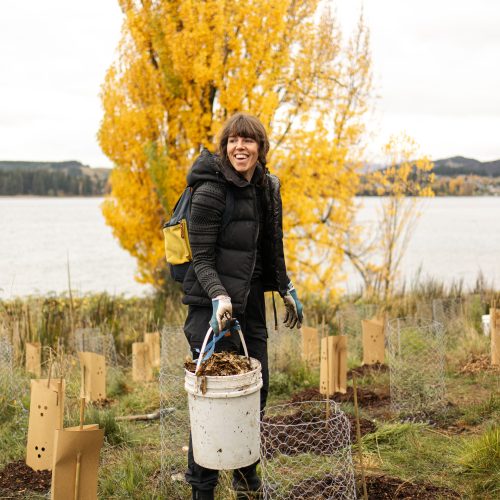
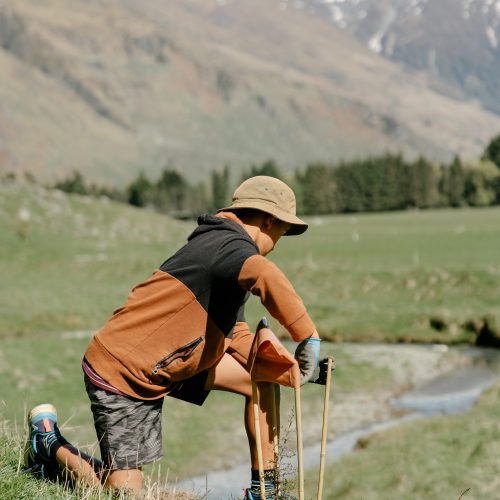
But planting is just the beginning. Young seedlings need protection and support for a minimum of three years. You’ll often spot tree guards and water drums along tracks like the Millennium Track and around Albert Town, Hāwea, Glendhu Bay and Diamond Lake. These are there for anyone to use — so if you’re passing by, feel free to lend a hand by watering plants or clearing weeds that compete for nutrients.
It’s a long-term investment, but one that continues to give back for generations.
If you’re thinking about planting at home or getting involved in a local project, here are a few simple tips to get started:
At Love Wānaka, supporting this kind of mahi is at the heart of what we do. Through partnerships, funding, and community initiatives, we help enable restoration projects that protect and enhance the Upper Clutha’s natural environment.
Ready to get your hands dirty? Join us for a community planting day this Autumn, volunteer at Te Kākano nursery, or keep an eye out for workshops and events throughout the year.
All experience levels are welcome. It’s a chance to connect, learn, and be part of restoring this place we’re lucky enough to call home.