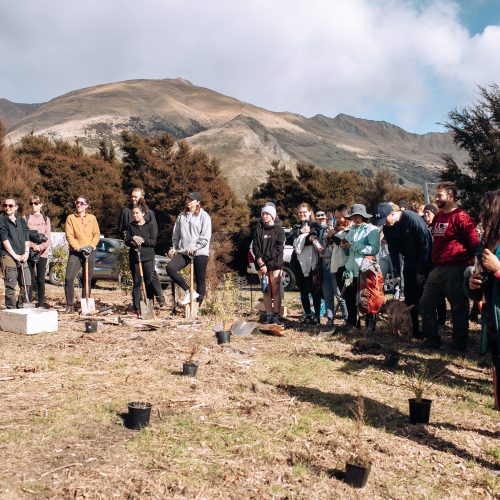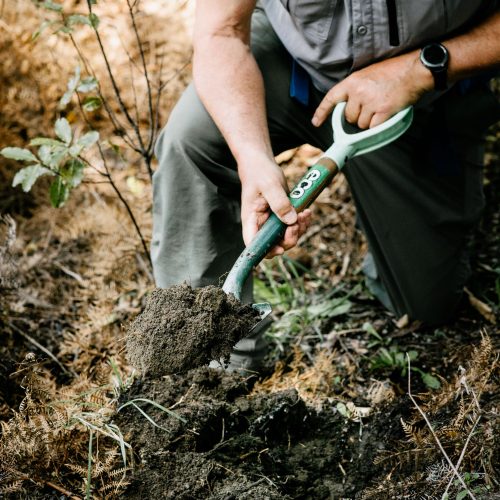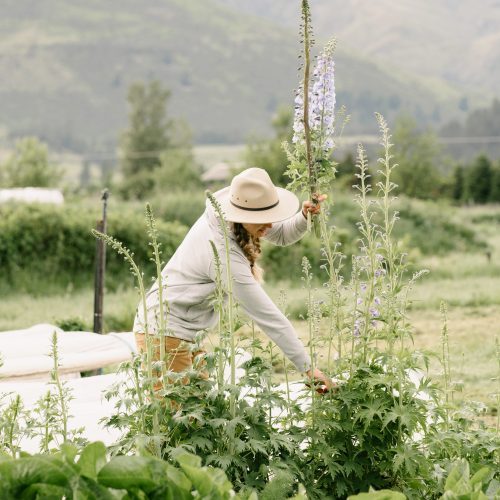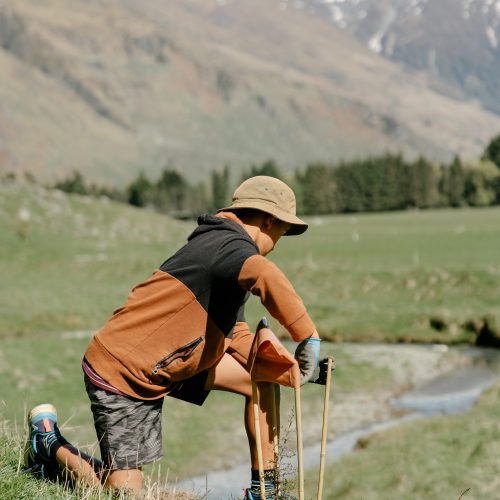
Here in Wānaka, value isn’t measured by a price tag. Instead it’s found in the clarity of our lakes, the fun of the slopes, and the resilience of our landscapes. These are the things that make our rohe (region) so special, but until recently the impact of our choices hasn’t always been easy to measure.

Last year, PAN received a Love Wānaka Impact Grant to explore how circular, regenerative initiatives deliver real environmental benefits. One of the questions PAN set out to answer was ‘what are the measurable environmental benefits of choosing second-hand?’
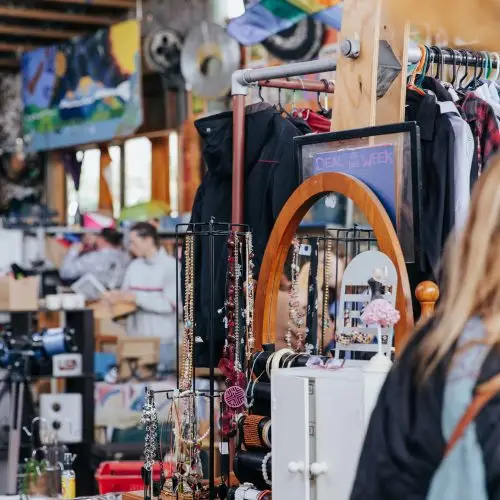
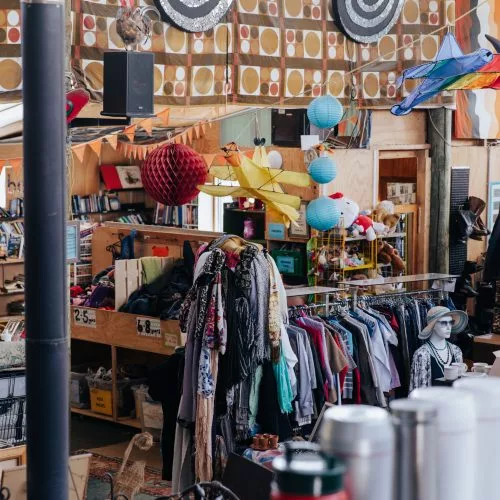
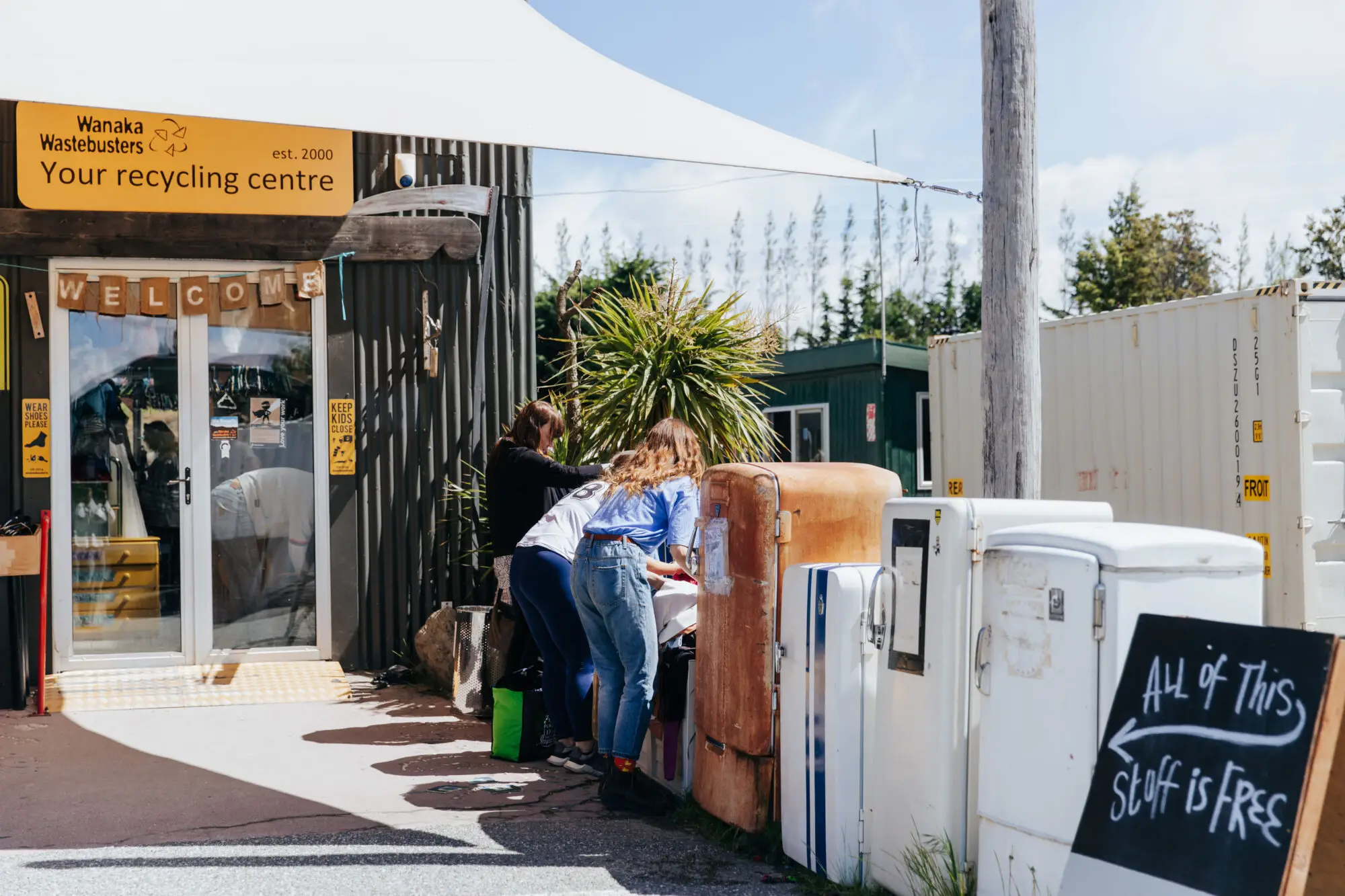
While we’ve always known that choosing second-hand feels like the right thing to do, the challenge has been quantifying just how much of a difference it actually makes. This is a question close to our community’s heart, and one PAN sought to solve through a partnership with local icon Wastebusters. A place where locals and visitors hunt for second-hand treasures, and where reuse is celebrated as part of everyday life.
With support from the Love Wānaka Community Fund, PAN and Wastebusters embarked on a case study, quantifying the benefits of their circular, zero-waste initiatives. This first-of-its-kind assessment of a reuse business measured the impact of purchasing second hand vs new, on carbon, biodiversity, water, waste, and more, and across the full life cycle of products.
What’s come out of this pilot is something we haven’t had before – clear, easy-to-understand evidence of the real environmental value of re-use. It gives Wastebusters a powerful way to show why keeping products in circulation matters, not just for reducing waste, but for protecting the ecosystems we all rely on. The Wastebusters team have already used this data at their ReFashion show, demonstrating the impact of a single pair of new jeans, versus a second-hand pair.
PAN found that a second-hand pair of jeans from Wastebusters uses around 1% of a single day’s environmental budget (PAN’s tangible measure of environmental impact). In contrast, just the material in a new pair of jeans can use up to five full days’ worth.
These insights will help spark conversations around slow fashion and second-hand choices, supporting a shift in how we shop and think about value here in Wānaka and beyond.
“With Love Wānaka’s support, we’ve had the opportunity to explore how circular, regenerative initiatives and business models deliver real environmental benefits. This pilot is a small but important step toward understanding what works and how we can better support people and communities to make more environmentally conscious purchasing decisions.” – Kate Meyer, CEO Planetary Accounting Network
PAN’s pilot with Wastebusters is world-leading research that could provide an example for the wider visitor economy. Beyond that, it puts into numbers what we already strive to make a reality – being a region that doesn’t just minimise harm to our environment and community, but actively contributes to bettering it.
It also helps us get even clearer on our environmental impact as individuals. Because in a place like Wānaka, where the land gives us so much, understanding the true value of our choices is one of the most powerful tools we have to look after it in return.
PAN and Wastebusters are now looking to build on this work by expanding the research to common materials like cotton, polyester, and wool. The goal is to better understand the true environmental cost of everyday products, and to answer bigger questions about fast fashion, slow fashion, and how shifting to reuse at scale could reduce our collective footprint.
Over time, this kind of data could help inform decisions across visitor, retail, and regional development – ensuring the growth aligns with the health of our environment.
The results of this pilot serve as a good reminder that small choices do add up. Whether you’re a local or just visiting, choosing second-hand is one of the easiest ways to reduce your environmental footprint. A visit to Wastebusters isn’t just a chance to find something unique, it’s a way to actively participate in a circular economy and look after our rohe (region).
Alternatively, you can support local organisations and initiatives that give back to this spectacular place we call home by making a donation to Love Wānaka, or becoming a Love Wānaka Impact Partner, where 100% of your donations goes towards grassroots initiatives just like this across the Upper Clutha.