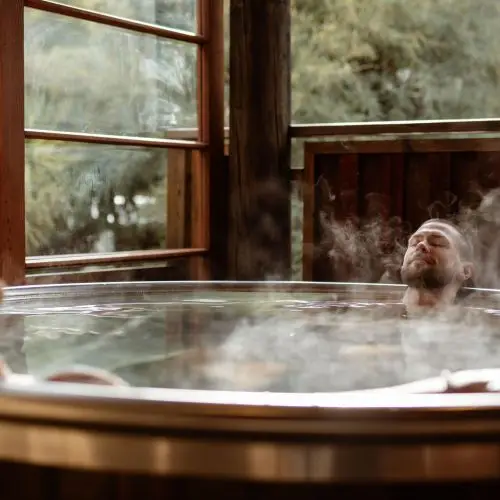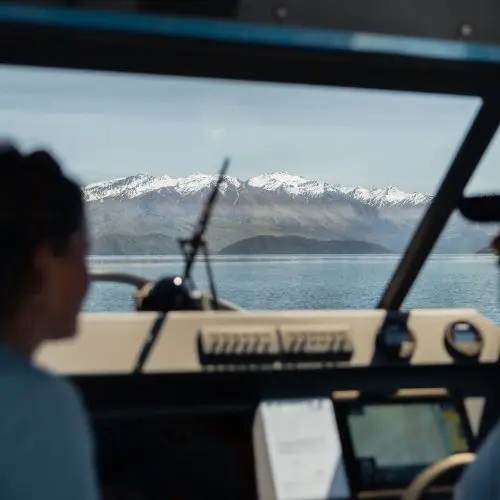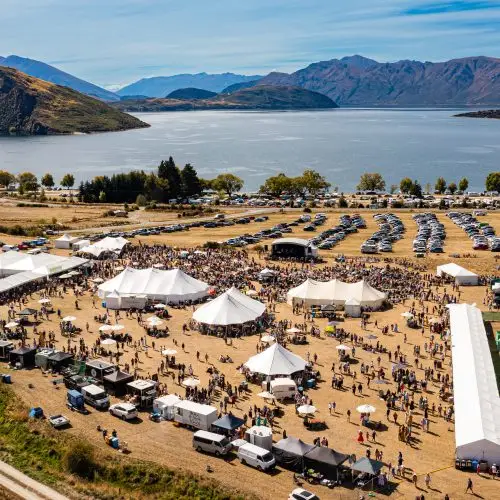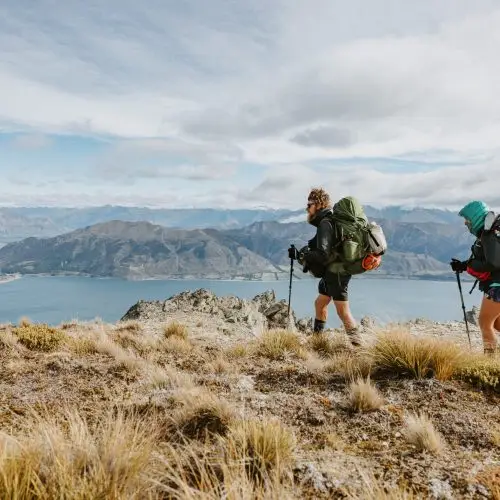
Skimming over cool waters on a hot summer’s day. Hunting down tonight’s kai (food). Exploring the unique ecosystems above and beneath with the Alps as your backdrop. The lakes in Wānaka provide endless beauty, calm, and connection for our local community – but below the surface, small human impacts are leaving a big mark.
For locals and visitors, fishing has long been a part of life here – a way to close the loop on circular food practices, catch your own dinner, and cast a line in solitude. But the impacts of traditional fishing practices on our lake are becoming harder to ignore. Struggling fish populations, native plants under pressure and fragile ecosystems are threatening the health of our lakes and the biodiversity they support.
Enter Catch a Fish, a local carbon-neutral fishing charter in Wānaka, Queenstown and surrounds. Eco-friendly charters, expert guides, and stunning locations combine angling with conservation, using innovative practices to protect freshwater ecosystems and educate visitors on sustainable fishing habits. Boat by boat, Catch a Fish is shifting the balance, turning each fishing outing into an act of restoration and a model for regenerative tourism.
Founded in March 2025 by Kiwi–Dutch couple Olly Garland and Sanne Keurentjes, Catch a Fish was born from a shared love of nature, a deep respect for the environment, and a desire to share the beauty of New Zealand through charters that do things differently. “My background is in sustainability,” says Sanne Keurentjes. “Olly studied Biology and Zoology – he’s always been obsessed with nature, animals and fishing. We wanted to start a business that combined our passions.”
From the outset, they imagined a business that took from the lakes only what could be given back: a philosophy that guides everything from the technology they use to the way they educate visitors and support environmental projects.
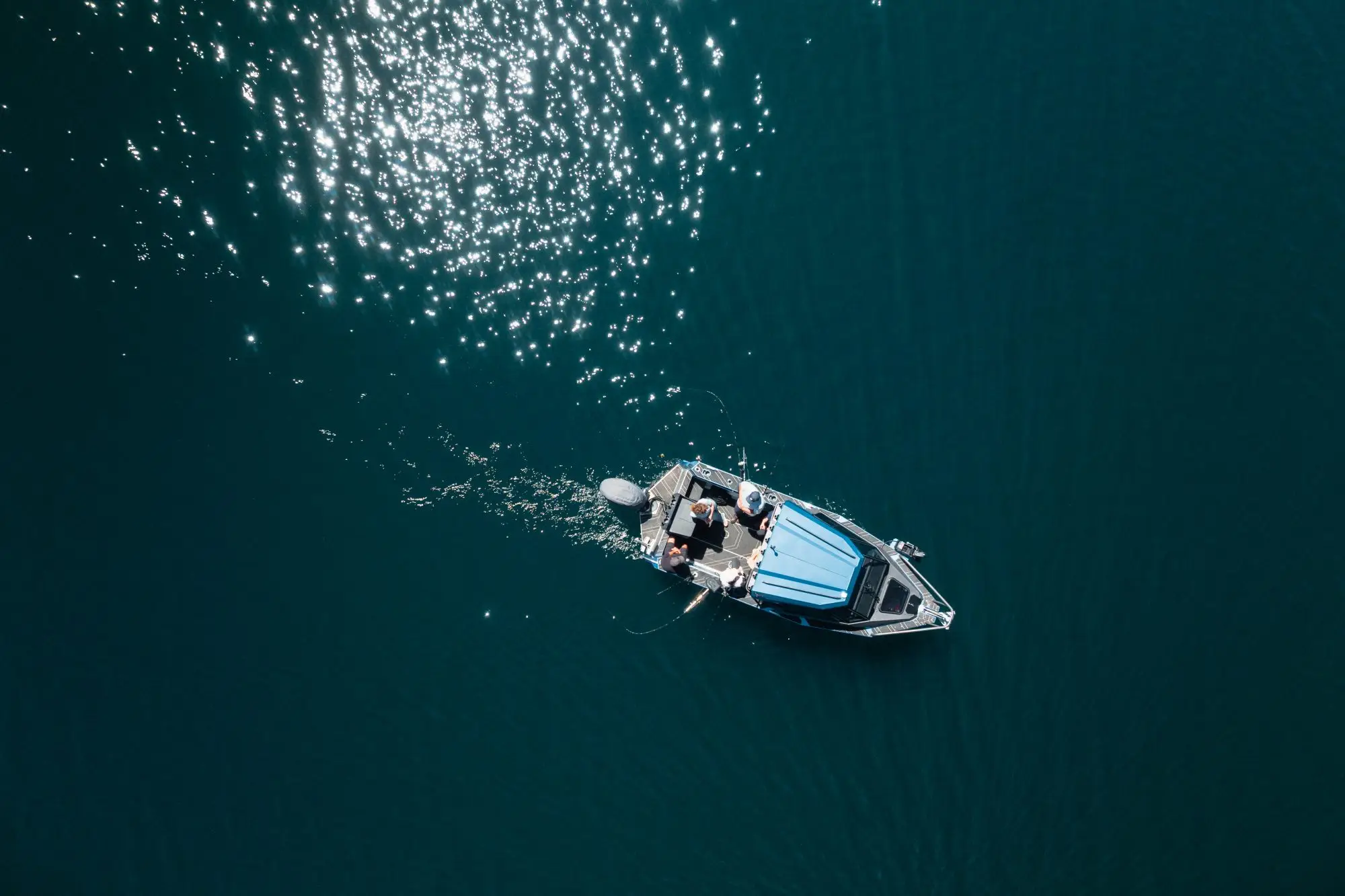
Eco-friendly fishing charters through Catch a Fish reimagine fishing for the better. Unlike typical charters that rely entirely on petrol-powered motors, Catch a Fish has a Garmin solar-charged Stabicraft electric trolling motor for their trips of up to six people. This allows them to reduce emissions, operate silently, hold position on the lake, avoid lakebed disturbance, and keep wildlife unperturbed while anglers wait for the fish to bite. “It’s so quiet,” says Sanne. “When we talk to people on board, they absolutely love the quiet. It’s become a real draw for our guests.”
This is just one of the ways they make sure their business works in harmony with nature and the community. “The electric motor was something we had to go deeper into the budget for, but for us, it’s worth it,” says Sanne.
Looking to the future, Catch a Fish plans to also replace the main outboard petrol-powered motor with an electric version when the technology allows. Sanne and Olly are currently in talks with Naut, who are developing an electric outboard engine for commercial use. Until then, Catch a Fish offsets emissions through certified programmes that fund renewable energy, forest regeneration, and carbon capture projects.
“The technology is progressing rapidly,” says Sanne. “I think within the next five years, we’ll have a fully electric boat. Sustainability is a never-ending story, where every day you reassess how you can do things better.”
Each trip is also part of a wider environmental effort. The Catch a Fish team take Secchi-disk readings for WAI Wānaka to track water clarity and monitor lake health, while catch data is shared with Fish & Game to support population monitoring across the lakes. “The health of the lakes and the fish defines the future of our business and community,” says Sanne. Through these simple, consistent actions, every charter doubles as a citizen-science mission, giving visitors a chance to see conservation in action, learn about sustainable fishing practices, and play a part in the regeneration of our region. More importantly, it gives the lakes themselves a better chance of long-term health.
Catch a Fish is big on supporting local businesses through their trips, weaving the community through their guest experiences. Pastries on board are sourced from local bakeries, and after a day on the water, freshly caught fish can be prepared at local restaurants – Arc in Wānaka, Fino in Queenstown. Fuel, maintenance, and supplies also come from neighbourhood providers.
“We believe if you work together, you can grow the pie for everyone,” says Sanne. “Tourists welcome the fact they’re supporting the local community – knowing their beautiful pastries come from a local bakery, and a nearby restaurant will cook their catch. It’s part of the whole experience.”
As a Love Wānaka and Love Queenstown Impact Partner, Catch a Fish donates 1% of all proceeds to supporting community-led environmental initiatives, giving back as much as they take. In this way, every outing helps protect the lakes while educating guests on what regenerative fishing looks like in practice.
“We’re always looking for ways to run our business that add value to our community and region,” says Sanne. This ethos ensures both the lakes and the local community benefit from the business, reinforcing the link between healthy ecosystems and thriving tourism.
Catch a Fish proves that real change can start on the water, one boat at a time. They demonstrate what regenerative fishing can look like in practice: thoughtful technology, citizen science, community collaboration, and a circular business model that gives back to the lake.
For anyone interested in lake conservation or fishing done differently, head to Catch a Fish to experience a charter for yourself and see regenerative fishing in action. Or, consider making a donation to Love Wānaka to support environmental projects in the region and protect the lakes and land for generations to come. For businesses, becoming a Love Wānaka Impact Partner is a great way to support meaningful environmental change – and it’s not just good for the planet, it’s good for business.
See you on the lake.