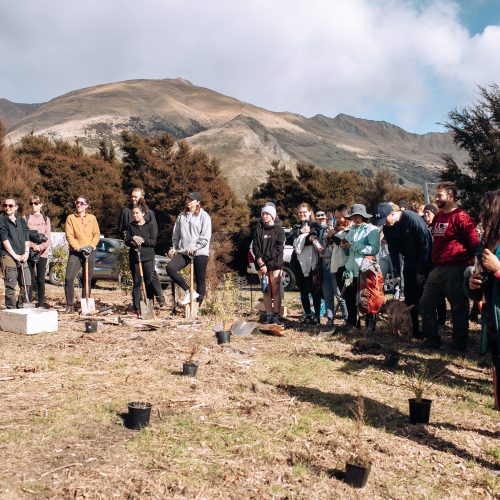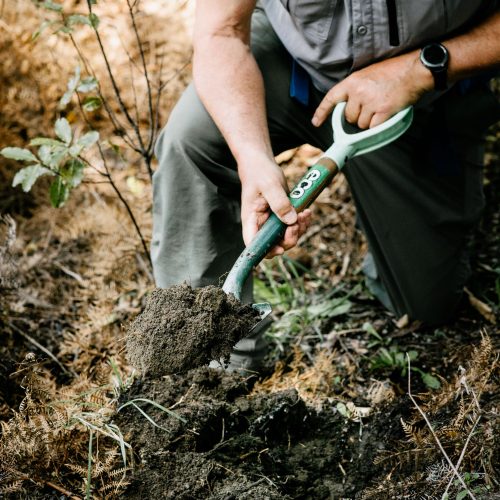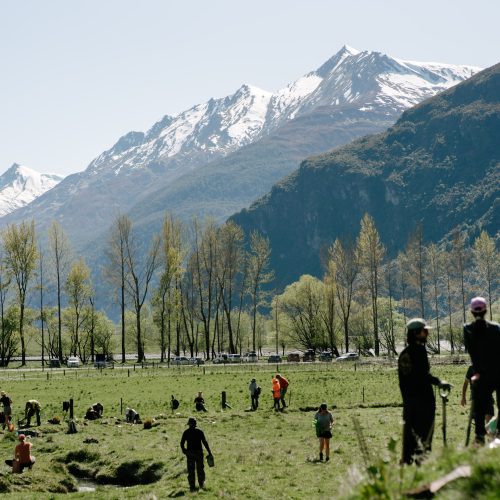
Here in Wānaka, ‘regenerative travel’ is not just a buzzword, it’s our way of moving through the world. It goes beyond “leave no trace”, instead leaving the region better than you found it.
Unlike sustainable tourism, which focuses on neutrality or minimising negative impact, regenerative travel is net-positive. That means leaving a place better than you found it, not just leaving it unchanged.
Wānaka, with its postcard-like landscapes and vibrant community, is not just a destination. It’s a place where the spirit of guardianship and sustainability thrives. Our local businesses and people are champions of eco-friendly practice, making real contributions to the environment. As a community, we invite our visitors to do the same.
Giving back doesn’t have to be complicated. Volunteer for a couple of hours alongside the locals, make a small donation to a local environmental organisation, or simply support the local businesses working to protect this place.
Love Wānaka gives visitors a direct way to contribute to local projects focused on biodiversity, freshwater protection, and long-term environmental care. It’s a collective fund, so whatever time or budget you have to give, it will go further.
What is regenerative travel?
Regenerative travel means leaving a place better than you found it. It’s more than just picking up your rubbish before you leave – it’s about the small choices you make along the way that add up to a positive impact on the places and people you visit.
How is regenerative tourism different from sustainable tourism?
Sustainable travel focuses on having a neutral impact, in other words, doing no harm. Regenerative travel goes a step further, aiming for a net-positive impact by actively contributing to a place’s environment, culture and community.
Why is regenerative travel important?
As more people fall in love with places like Wānaka, that popularity can put real pressure on our natural resources, infrastructure, and local communities. Regenerative travel is what turns that pressure into a positive – so your visit doesn’t just take from a place, it leaves it a little better for having had you there.
Is regenerative travel more expensive?
It doesn’t have to be. Many regenerative choices, such as staying longer in one place, travelling with reusables, and supporting local businesses instead of big chains, cost the same – if not less – than your typical trip.
Wherever your trip takes you, the same principle holds: travel like you plan to come back and find the place even better than you left it. Every conscious choice, no matter how small, can help protect this place for future visitors and generations.