Living in Wānaka, it’s hard not to feel connected to the natural world. Surrounded by mountains, lakes and forests, caring for this place often feels less like a responsibility and more like part of everyday life.
Local student George McCormack has been involved in volunteering since moving to Wānaka from Porirua in 2021. For George and his mum, getting involved was a way to continue their life long passion for restoration while putting down roots in their new home.
“Volunteering is a great way to meet and socialise with people who have similar interests to me,” says George. “When you’re doing something you really love or care about, it doesn’t feel like work.”
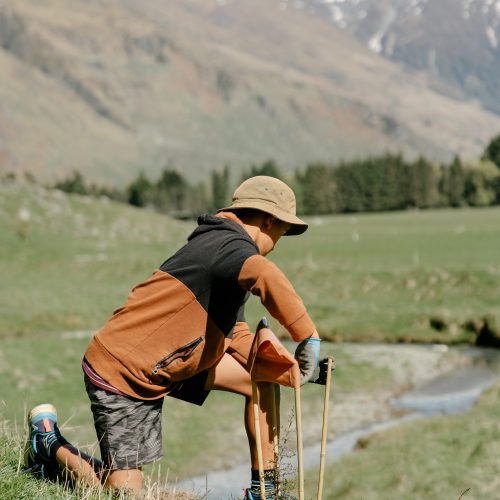
Growing up around people passionate about conservation and restoration, volunteering has always felt like a natural fit. In the last few years, George’s interest has turned towards freshwater and stormwater health after attending stream testing events with WAI Wānaka.
Since then, he’s loved being part of a range of projects, from microplastics and litter audits to beach clean-ups, stream testing events and community education initiatives.
One highlight was helping present at WAI Wānaka’s Stormwater Showcase, where he created a display about rain gardens and their role in improving water quality.
“I felt really proud when WAI asked me to be part of the showcase,” he says. “I enjoyed sharing what I’d learned with other people. It was a new experience for me and felt like the next step in my journey of learning about water.”
Last year, George’s dedication was recognised with a Youth Volunteer Award from Kahu Youth Trust in the environmental category.
When it comes to encouraging others to volunteer, George offered, “Think about something that you get enjoyment from or are passionate about, and just give it a go. Start with something small. Everyone will be happy that you’re volunteering, so it doesn’t matter if you don’t know anything about it already, as long as you’re willing to learn.“
If you’ve spent time around environmental projects in Wānaka, chances are you’ve crossed paths with Ed Astin. He wears many hats across the rohe, working as a contractor, coordinator and volunteer for a range of local organisations.
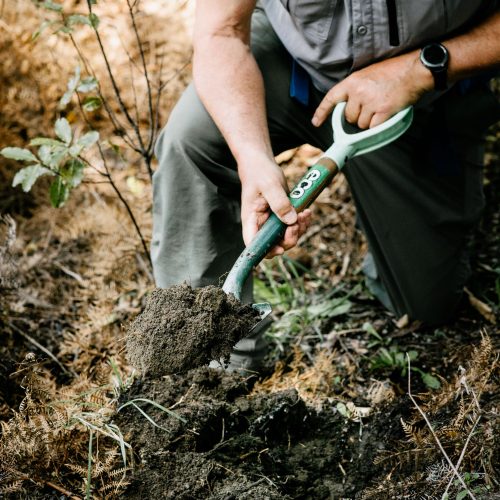
After 15 years with the Department of Conservation, Ed now contracts with Friends of Bullock Creek and Te Kākano, where he first started out as a volunteer. He also volunteers his time with the Upper Clutha Wilding Tree Group and Predator Free Wānaka.
Ed’s volunteering journey began when his children were young. “I used to take them along to Te Kākano planting days at various sites on the weekends,” he says. “Things grew from there.”
For Ed, one of the biggest rewards is being able to use his experience to benefit the community. “It is great to be able to use your skills and knowledge to give something back. It feels good every time I take part in something.”
Nearly two decades on, it’s the visible results that keep him motivated. “Whether it’s seeing plants you put in the ground years ago growing into towering trees and shrubs, or watching areas once threatened by wilding pines being restored, there’s a real sense of satisfaction,” he says. “In Albert Town, the increase in birdlife is really noticeable, and I’d put that down to a combination of trapping work and native planting.”
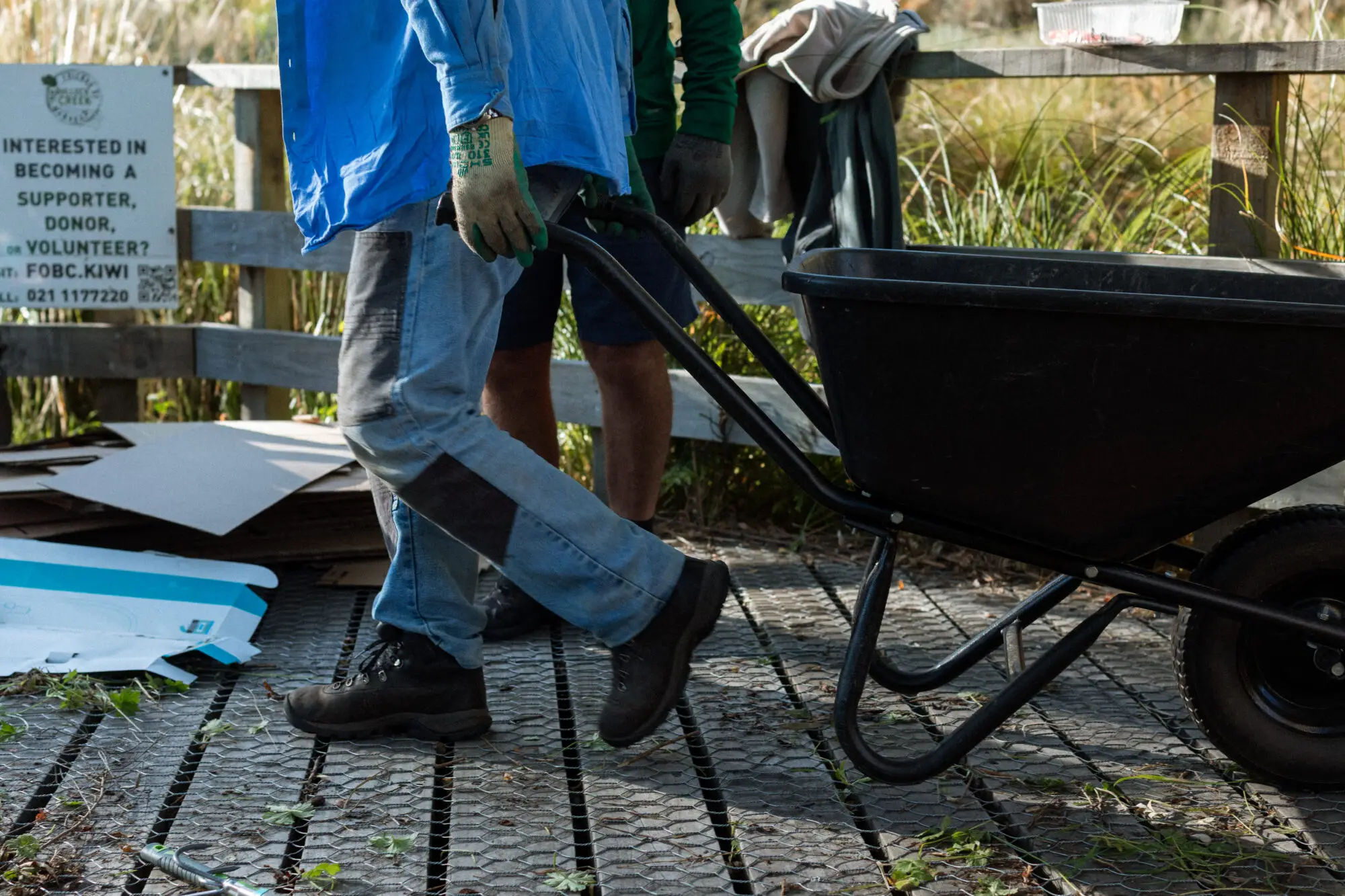
Alongside the team at Bullock Creek Wetlands, Ed also gets to see the impact volunteering has on people, with locals and visitors alike rolling up their sleeves to help. His message for anyone thinking about getting involved is simple: “It doesn’t matter what your interests are — there’s a volunteer group to suit you. It’s a great way to meet lovely, like-minded people, and individuals really can make a difference. It’s also a great motivator to get outside and do something, even when the weather isn’t particularly inspiring.”
With one of the best views in Wānaka, it’s no surprise the team at Edgewater feels a strong connection to the place they call home.
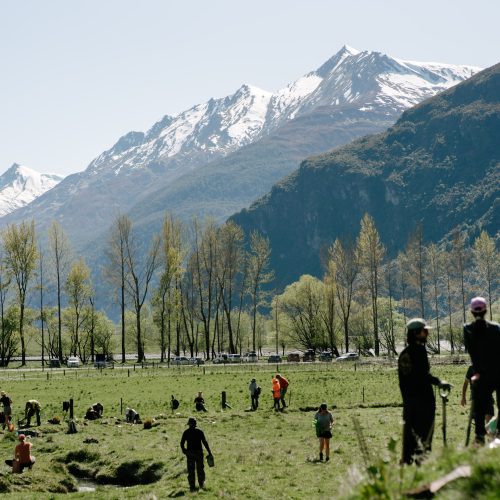
Long-time supporters of Love Wānaka, they’re often one of the first to put their hands up for Love Wānaka’s industry planting days and environmental initiatives. For the team, volunteering goes beyond giving back. It’s an opportunity to step away from the day-to-day, spend time together, and connect with the community and environment at the heart of their business.
“For me, being involved in community work provides a valuable opportunity to understand the effort and dedication required at the grassroots level to build and sustain a thriving community,” says one team member. “It also highlights the importance of caring for our environment and supporting the people around us.”
The Edgewater team has also found that volunteering strengthens relationships across departments, as it gives colleagues the chance to spend time together and connect in a different environment. This shared sense of purpose helps boost team culture, and deepens their connection to the community they’re proud to be part of.
For Edgewater, it’s a simple reminder that looking after a place isn’t just good for the environment. It’s good for people, too.
Few people have been involved in as many volunteer projects as Stu Thorne. He’s helped with everything from building the famous dinosaur slide at the local playground, to supporting the Te Kākano Aoetearoa Trust. After moving to Wānaka from Mount Cook in 1973 as a National Park Ranger, it’s no surprise that much of his volunteering has had a conservation focus.
During his time with the Department of Conservation, and later as a volunteer, he helped establish predator trapping and restoration programmes throughout the Upper Clutha. Seeing the long-term impact of this is one of the things that keeps him coming back for more. “I get a lot of satisfaction out of training others and seeing the benefits of everyone’s actions,” he says. “Like seeing the population of native birds expand and increase dramatically in the Upper Clutha area over the last ten years.”
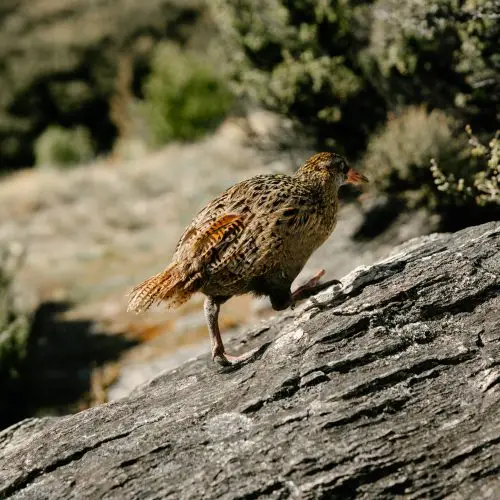
This work has also included introducing the buff weka to the islands on Lake Wānaka and the South Island Robin to the West Matukituki Valley. Now retired, Stu and his wife Heather continue to volunteer and to introduce others to these programmes, particularly in the predator trapping space – an area Stu has been proud to see grow in our region. “There is now a huge network of predator traps in the Upper Clutha and Mount Aspiring National park areas with many hundreds of volunteers checking the traps on a regular basis” he shared.
Looking back on decades of service, Stu believes there is a volunteer role for everyone. “If anyone is out there with any amount of spare time, I would highly recommend volunteering for a role which appeals to your interests,” he says. “You meet a lot of like-minded people, do some really useful work and get great satisfaction from the results.”
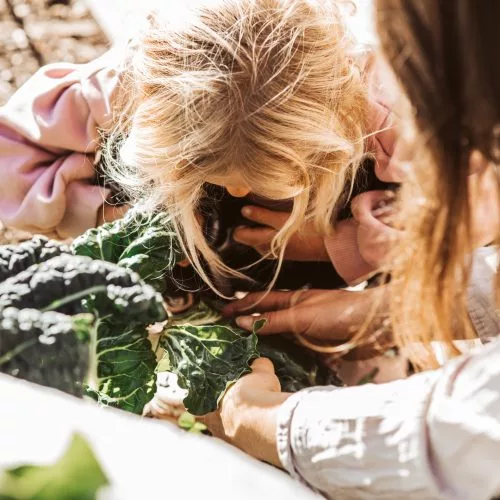
When Helen Ruffhead first heard about Grow Wānaka through a friend, she was looking for a way to connect more deeply with the local community. Having a long-held interest in sustainability and a few (unsuccessful) attempts growing her own food, volunteering seemed like the perfect fit.
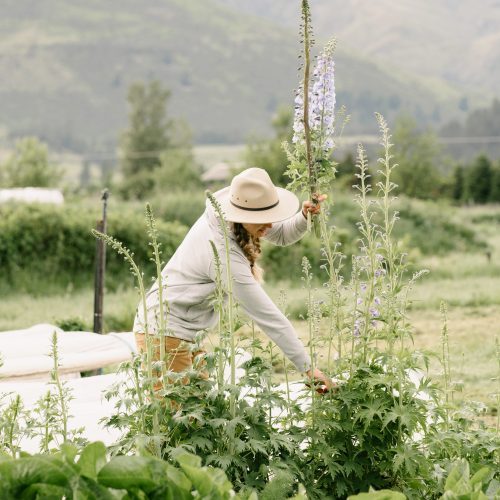
“Grow ticked all the boxes for me,” she says. “It allowed me to become part of a very special community of friendly people from all sorts of backgrounds, and gave me the collective fulfilment and pride of successfully growing beautiful, tasty produce for the first time.”
Although she expected growing fruit and vegetables would be the most rewarding part of volunteering, it’s the people she’s met who have had the biggest impact. “It’s so welcoming and friendly, and a great place to get to know people from different walks of life,” she says. She also enjoys learning from more experienced volunteers and finds her time in the garden a chance to switch off and reconnect with nature.
One of her favourite jobs is helping with the harvest and seeing the results of everyone’s hard work growing week on week. “And I can’t not mention the post-session morning tea, where we enjoy coffee, tea and home baking together!” she says.
Her advice for anyone considering volunteering? “Definitely give it a go. Especially if you’re new to town, it’s a great way to get stuck in with the community. You will end up learning so much and perhaps you may even end up passing some of your k
There are plenty of ways to get involved, no matter your interests, experience, or the time you have to give. As George said, you don’t need to know everything before you start, you just need to be willing to give it a try.
Check out the Love Wānaka calendar for upcoming volunteer opportunities and community events. Or get in touch with one of our local groups directly to see where you could be put to work.